Israel-Iran War 2026 Effects: Casualties, Countries Involved, Oil Price Surge & Global Reactions – Live Updates
Introduction: The Escalating Crisis in the Middle East
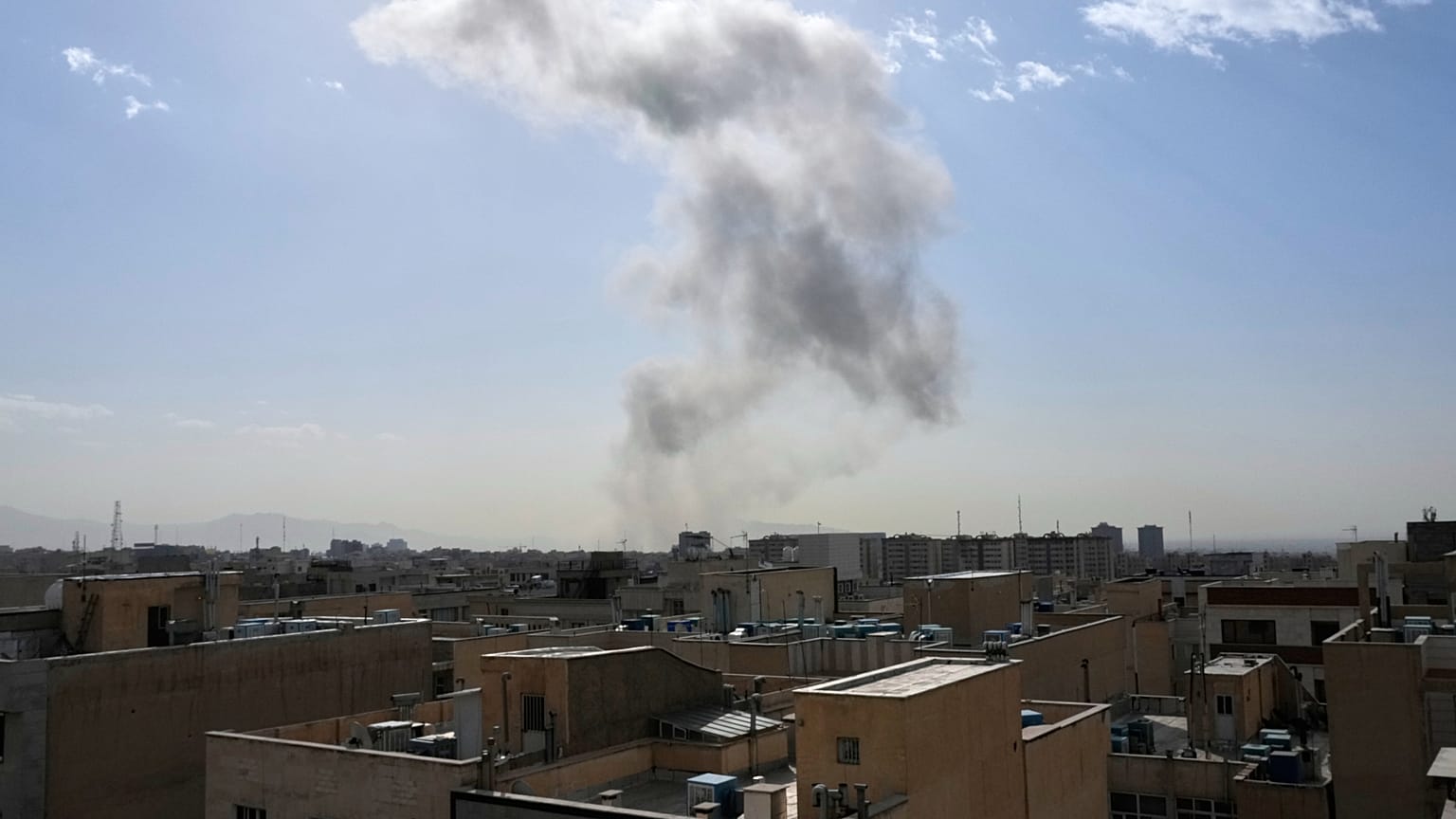
The Israel-Iran War of 2026, which erupted on February 28 with preemptive strikes by Israel and the United States on Iranian targets, has rapidly evolved into a multifaceted conflict with profound global repercussions. This war marks a significant escalation from previous tensions, including the 2024 and 2025 exchanges, and has drawn in multiple countries while inflicting heavy casualties and economic disruptions. As explosions rocked Tehran and air raid sirens wailed across Israel, the world watches a conflict that threatens regional stability, spikes oil prices, and reshapes international alliances.
For the latest breaking news on the initial strikes, check our War Update 1: Israel Strikes Iran February 28 2026.
Rooted in decades of animosity over Iran's nuclear program, support for proxy militias, and regional dominance, this war has already caused thousands of casualties, displaced populations, and triggered a humanitarian crisis. Countries directly involved include Israel, Iran, and the United States, with indirect roles played by proxies like Hezbollah in Lebanon, Houthis in Yemen, and militias in Iraq and Syria. Global reactions range from condemnation to support, as evidenced by real-time tweets and protests worldwide. This article examines the effects, casualties, involved nations, and broader implications, incorporating verified images and social media insights for a comprehensive view.
Countries Involved: A Web of Alliances and Proxies
The core combatants are Israel and Iran, but the conflict's scope extends far beyond their borders. Israel, supported by the United States, launched the initial strikes, citing imminent threats from Iran's nuclear advancements and missile programs. The U.S. role has been pivotal, providing intelligence, military aid, and direct participation in bombing campaigns against Iranian nuclear sites like Natanz and Fordow. As per reports from the Council on Foreign Relations, the U.S. intervention aims to prevent Iran from acquiring nuclear weapons, marking the first direct American attack on another country's nuclear program.
Iran, on the other hand, has mobilized its "Axis of Resistance," a network of proxy groups including Hezbollah in Lebanon, Houthis in Yemen, and Shia militias in Iraq and Syria. These proxies have launched retaliatory attacks on Israeli and U.S. targets, expanding the conflict. For instance, Hezbollah's missile barrages from Lebanon have targeted northern Israel, while Houthi drones have disrupted shipping in the Red Sea. Other nations indirectly involved include Jordan, which intercepted Iranian missiles, and Gulf states like Saudi Arabia and the UAE, who shared intelligence with Israel despite public condemnations.
Russia has criticized the U.S. strikes, providing diplomatic support to Iran, while China has called for de-escalation amid concerns over oil supplies. European countries, including France and the UK, have assisted in intercepting attacks but urged restraint. The map below illustrates the territories with Iran-backed militias and key strike locations.

According to Wikipedia and CSIS analyses, the conflict's expansion risks drawing in more states, potentially leading to a broader regional war involving Turkey, which has boosted its missile arsenal in response, and Pakistan, offering support to Iran.
Learn more about the preemptive strikes that started it all in our detailed coverage of Israel strikes on Iran February 28 2026.
Casualties: The Human Toll of the Conflict
As of February 28, 2026, the war has inflicted significant casualties on both sides, though exact figures remain contested due to information blackouts and propaganda. Initial reports from the Times of Israel indicate that Iranian ballistic missile attacks on Israel have killed at least 28 people, mostly civilians, and wounded over 3,000. In one barrage, 550 missiles and 1,000 drones were fired, with impacts in populated areas like Tel Aviv and Haifa causing 31 strikes and dozens of fatalities.
On the Iranian side, Israeli and U.S. strikes have resulted in higher casualties. Iran's army reported four soldiers killed in initial October 2024-like strikes, but the 2026 escalation has seen estimates soar. The Associated Press and Al Jazeera report that strikes on military bases, nuclear facilities, and Tehran have killed at least 16 Iranian officers, proxy fighters, and civilians, with unconfirmed reports of hundreds more from collapsed infrastructure and secondary explosions. A notable incident involved the death of senior IRGC commanders, echoing the 2024 killing of Mohammad Reza Zahedi.
Civilian casualties are particularly alarming. In Israel, a Palestinian laborer was killed by debris, and in Iran, collateral damage to schools and restaurants has injured dozens. The Health Ministry in Israel reports 3,238 hospitalizations, including for anxiety. Proxy conflicts have amplified the toll: Hezbollah clashes have killed dozens in Lebanon, while Houthi actions in Yemen add to regional deaths. Overall, estimates from ACLED and CSIS suggest thousands dead and wounded, with potential for tens of thousands if escalation continues.
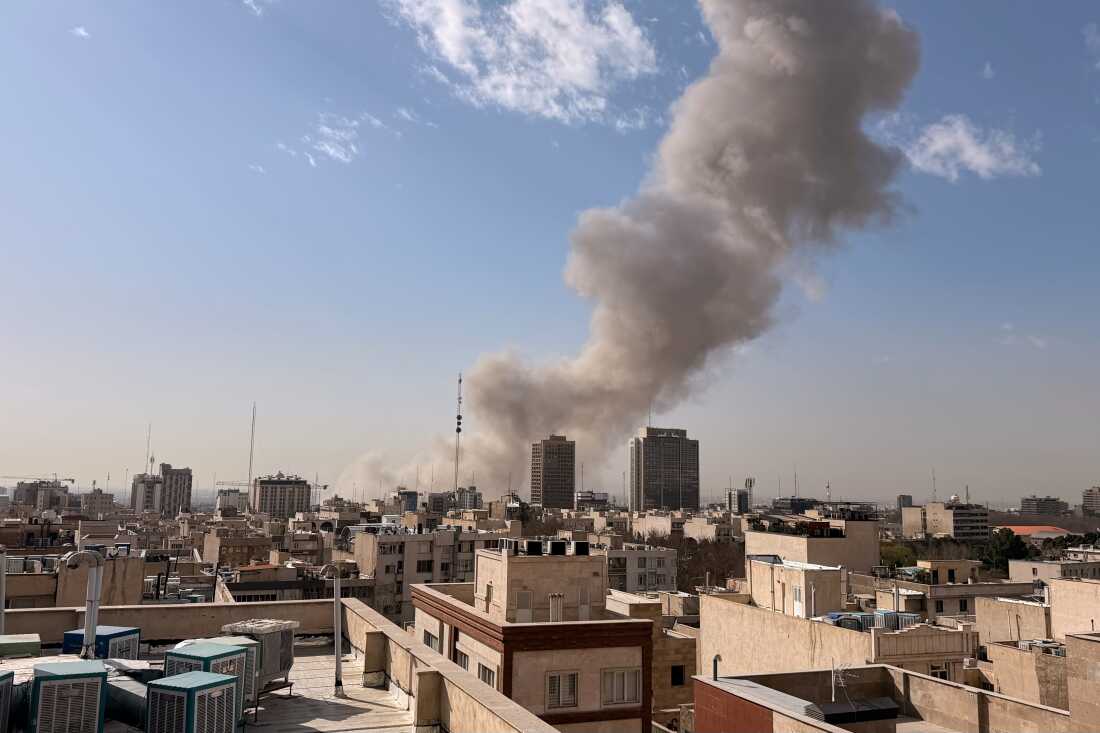
The International Institute for Strategic Studies notes that Iran's missile strategy has led to higher Israeli casualties in urban areas, with 23 killed and 600 injured in recent barrages, highlighting the war's devastating human cost.
Economic Effects: Oil Price Surges and Global Market Volatility
The war's economic ramifications are immediate and far-reaching. As a major oil producer, Iran's involvement has disrupted global energy markets. The Strait of Hormuz, through which 35% of seaborne oil and 20% of LNG pass, faces closure threats, pushing Brent crude prices above $100 per barrel, per Goldman Sachs estimates. This surge, up 17% during initial strikes, could lead to $120-$150 per barrel in a full-scale war, triggering global inflation and recessions.
According to the Washington Institute and Columbia University's Energy Policy Center, U.S. shale producers benefit from secured prices, but Gulf states like Saudi Arabia face risks to infrastructure. Oil prices hit $81.40 post-strikes, with potential drops below $60 if tensions ease, but current volatility affects sectors worldwide. The conflict has cost Iran $17.8 billion in damages (3.3% of Israel's GDP equivalent impact), straining its economy already weakened by sanctions.
Israel's economy shows resilience, with the Tel Aviv Stock Exchange up 67% since October 2023 attacks and GDP growth projected highest among developed nations at $57,000 per capita. However, insurance disruptions and airspace closures impact aviation and trade. Globally, higher energy bills feed inflation, as noted by the BBC, potentially halting economic activity amid supply chain collapses.
The RUSI commentary highlights compounding crises with Russia and Houthis, increasing oil market shocks. J.P. Morgan notes a $7.5 geopolitical risk premium on Brent crude, with potential for $100+ if Hormuz is blockaded.
For real-time updates on how the strikes began, visit our Israel-Iran war update on February 28 strikes.
Regional and Global Stability: Broader Geopolitical Shifts
The war threatens Middle East stability, risking spillover into Iraq, Syria, Lebanon, and Yemen. Iran's proxies have imposed costs, with over 500 missiles launched at Israel in 2025 analogs, causing casualties. ACLED warns of Iranian retaliation targeting U.S. interests, complicating U.S. presence in the region.
Global reactions vary: The UN calls for ceasefire, Europe expresses concern, and oil-dependent nations like China face supply fears. Protests erupt worldwide, with Iranian expatriates calling for regime change, while supporters rally against Israel. In the U.S., divisions emerge, with Trump justifying strikes but critics like Rep. Thomas Massie decrying unauthorized war.

Second-order effects include Turkey arming missiles, Pakistan supporting Iran with visas for pilgrims, and Azerbaijan shifting sentiment. India's ties with Iran suffer from spying allegations, potentially reshaping alliances. The Atlantic Council notes Arab states' reluctant support for Israel, tied to U.S. bases, while emphasizing the need for diplomacy to prevent wider war.
Real-Time Insights from Social Media: Tweets Capturing the Chaos
Social media provides raw, unfiltered perspectives on the war's effects. Here are selected tweets reflecting casualties, reactions, and calls for peace:
Iran achieved significant impact with minimal expenditure, inflicting an estimated $17.8B in damages (3.3% of Israel's GDP).
— NewRulesGeopolitics (@NewRulesGeo) June 26, 2025
The conflict has left Israel confronting:
🔸A strained financial system
🔸Disruptions in insurance markets
🔸Challenges to international standing
As fighting intensifies, civilians on all sides are bearing the consequences , air raid sirens in Israel, power outages in Iran, and thousands fleeing conflict zones. The human cost of this war is already being felt.
— Deyknow_ (@Dennis08533293) February 28, 2026
SECOND ORDER EFFECTS OF ISRAEL'S WAR ON IRAN
— Amir Husain (@amirhusain_tx) June 17, 2025
Turkiye's President has officially announced that he will arm to the teeth with a huge number of ballistic missiles. An Israeli confrontation with Turkiye, perhaps even in Syria, is seeming now to be just a matter of time.
Iran's parliament raised "Thank you Pakistan" slogans en-masse. Government officials in Pakistan have shown strong support for Iran and have condemned Israel's initiation of hostilities in both the UN, officially, and in the media.
The Pakistan government has offered 20,000 Iranian Hajj pilgrims visas on arrival and lodging until the war ends. This is a move of huge significance as governments and politicians change and shift, but people-to-people contact brings genuine connectivity that outlasts the politics of any one time.
Sentiment in Azerbaijan, one of the few Muslim-majority nations that has maintained diplomatic relations with Israel, has turned sharply. Media personalities, citizens are all condemning Israel's attack.
With the arrests, in Iran, of Afghans carrying Indian passports as well as the arrests of Indian nationals on account of spying, the Iran-India relationship will suffer in the long term. That there is a strong RAW-Mossad nexus which has used the Indian diaspora in Iran and the ME to infiltrate and harm their host nations has become obvious to many.
Cyprus is back in the spotlight after decades of diplomatic dormancy. Netanyahu fled to Greece as soon as he launched attacks against Iran. If the Republic of Cyprus is now functioning as an outpost for Israeli operations, that creates massive incentive for countries such as Pakistan and Iran to reconsider their stance and move toward recognition of the Turkish Republic of Northern Cyprus (TRNC).
Pakistan, KSA and most regional countries with competence and capacity will go over their systems with a fine-toothed comb to ensure that the intel penetration RAW-Mossad achieved on the first day of war in Iran cannot be duplicated elsewhere in the region. It doesn't matter which side of the conflict these countries are on. No one will trust Indian or Israeli presence in the same way, ever again. Whether Azerbaijan or any of the Gulf countries.
The blowback will not just be diplomatic. India’s vast labor footprint across the Middle East now sits beneath a lens, as trust fractures and once-silent hosts begin to whisper about infiltration. Israel, by turning civilian diasporas into covert assets, has not only shattered international norms but poisoned the well for millions who lived in peace and obscurity. The damage to regional coexistence may last far longer than any missile exchange.
Notes
1. Turkey to boost missile arsenal to 2,000km range – TRT World, June 2025
2. Iranian MPs chant “Thank you Pakistan” – New Indian Express, June 16, 2025
3. Pakistan to grant visa-on-arrival to 20,000 Iranian pilgrims – New Indian Express, June 16, 2025
4. Azerbaijan facilitates evacuation from Iran – New Indian Express, June 16, 2025
5. Iran arrests 13 Indians among 73 for spying for Israel – Dispatch News Desk, June 14, 2025
6. Mossad launched drone strikes from within Iran – CNN, June 16, 2025
7. Netanyahu flown to Greece amid strikes – Times of India video report, June 14, 2025
8. Israeli strike hits Iranian state TV during live broadcast – India Today, June 16, 2025
Israeli raids bombed 150 strategic targets multiple times killed thousands of generals and nuclear engineers . Iranian raids badly damaged 2 apartment buildings and one university, killing 24 people 1/2 of them Arabs.
— Larry. PAYBACK’S A BITCH! (@RivetzLarry) February 28, 2026
Israel hasn't just crushed Iran and its proxies on the battlefield—it has crushed them economically too. Since the October 7 attacks, the Tel Aviv Stock Exchange is up over 67%. The shekel is 12% stronger against the dollar, and GDP growth is expected to be the highest in the developed world in 2025. And per capita, with $57,000, Israelis are wealthier than Germans.
— Saul Sadka (@Saul_Sadka) June 25, 2025
Meanwhile, Iran—with 900% of Israel's population—has just 80% of its GDP. And, of course, the nations it occupied and turned into weapons against Israel—Lebanon, Syria, Iraq, and Yemen—are among the most destitute places on Earth.
Military defeat. Economic defeat. And inevitably, cultural defeat—since the younger generation mostly despises their extremist Shia overlords and is abandoning their religion. The IRGC might have killed Shiism, which was already just 10% of the Muslim world.
These tweets underscore the economic strains, human costs, and geopolitical shifts, with users debating regime change and war's futility.
Analysis: Long-Term Implications and Path to Resolution
The war's effects could persist for years. Economically, sustained high oil prices risk global recession, as per ICIS scenarios. Geopolitically, it may realign alliances, with Arab states balancing U.S. ties and public sentiment. Humanitarian crises in displaced populations demand international aid.
For resolution, diplomacy is key. The U.S.-brokered ceasefire in 2025 offers a model, but Iran's enriched uranium stockpile and missile capabilities complicate talks. Experts from the Economics Observatory warn of stagflation risks, emphasizing de-escalation to avert broader conflict.

Conclusion: A Call for Peace Amid Uncertainty
The Israel-Iran War 2026 has unleashed devastating effects, from mounting casualties to economic turmoil and geopolitical upheaval. With Israel, Iran, the U.S., and proxies entangled, the path forward requires urgent diplomacy to prevent further loss. As global reactions via tweets and protests show, the world demands an end to this cycle of violence. Follow for updates on this evolving crisis.
Read our initial report on the Loading content...