Israel-Iran War 2026 Latest Updates: Iran Closes Strait of Hormuz Amid Constant Drone Attacks - March 3, 2026
As the Israel-Iran war enters its critical phase in March 2026, the conflict shows no signs of abating. What began as preemptive strikes by Israel and the United States on February 28, 2026, has escalated into a full-scale regional crisis. Iran's Supreme Leader Ayatollah Ali Khamenei and several high-ranking IRGC officials were killed in the initial assaults, prompting Tehran to retaliate with missile barrages and drone attacks across the Gulf states. Now, Iran has declared the Strait of Hormuz closed, threatening to set any transgressing ships ablaze. This move, combined with constant drone attacks on U.S. and allied assets, has sent shockwaves through global markets. In this 1500+ word article, we'll dive deep into the latest developments, drawing from real-time X posts, embedded tweets, and images. For background, refer to our previous coverage: War Update 1: Israel Strikes Iran February 28, 2026 and Impeaching Trump Over the Iran War.
The Escalation: From Strikes to Blockade
The war, which many analysts feared would erupt given years of tensions, ignited when U.S. President Donald Trump authorized joint operations with Israel to neutralize Iran's nuclear and military capabilities. As of March 3, 2026, the conflict has widened, involving Hezbollah in Lebanon and Iranian proxies in Iraq and Yemen. Iran's response has been swift and severe, focusing on economic warfare. The closure of the Strait of Hormuz, announced by the Islamic Revolutionary Guard Corps (IRGC), marks a pivotal escalation. This narrow waterway, connecting the Persian Gulf to the Gulf of Oman, carries about 20% of the world's oil supply—roughly 21 million barrels per day.
Tehran's decision to close the strait is not mere rhetoric. According to reports from CNBC and Reuters, an IRGC commander stated, "The Strait of Hormuz is closed. If anyone tries to pass, we will set those ships on fire." This threat has halted commercial shipping, with major firms like Maersk and Hapag-Lloyd suspending transits. Oil prices have surged over 30% in days, pushing Brent crude above $120 per barrel. The global economy is reeling, with fears of inflation and recession looming large. In the U.S., gas prices could exceed $5 per gallon, as predicted by market analysts on Kalshi and Polymarket.
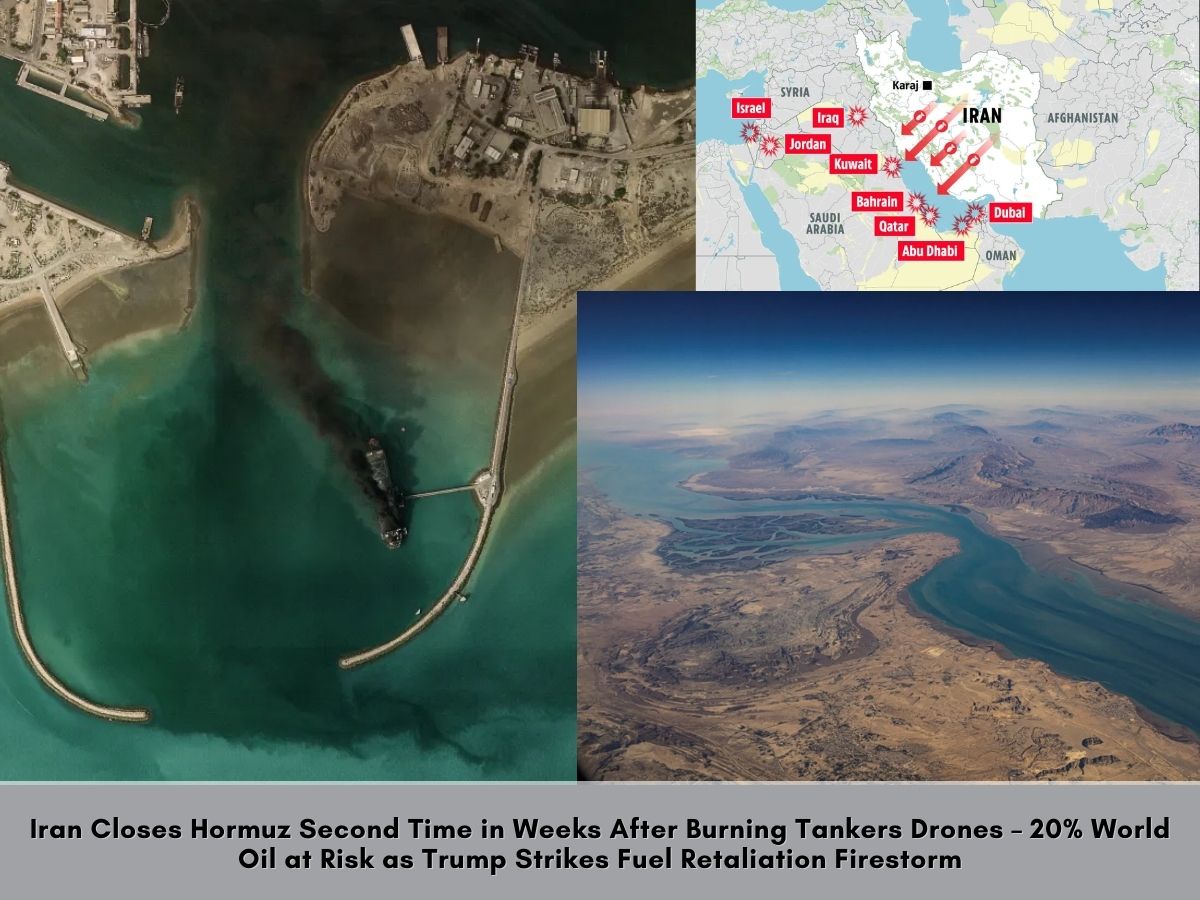
Image: Satellite imagery showing Iran's militarization of the Strait of Hormuz, including drone carriers and potential attack sites. Source: Sunday Guardian Live.
Constant Drone Attacks: A New Front in the War
Amid the blockade, drone attacks have become a hallmark of Iran's retaliation strategy. On March 2, 2026, drones struck the U.S. Embassy in Riyadh, Saudi Arabia, causing fires and minor casualties. This followed attacks on U.S. bases in Kuwait and the UAE, where Iranian drones targeted oil infrastructure. The Pentagon reports six U.S. service members killed since the war's start, with strikes expanding to Lebanon and Iraq. Hezbollah, backed by Iran, has launched rockets into Israel, while Israeli airstrikes hit Beirut.
X posts from eyewitnesses and analysts paint a vivid picture. For instance, a video from Erbil, Iraq, shows drones swarming the skies amid explosions. These attacks disrupt command structures and sow chaos, as seen in IDF confirmations of strikes on IRGC hubs in Tehran. The use of high-speed drones, capable of neutralizing naval and air targets, underscores Iran's asymmetric warfare tactics. As one X user noted, "Iran's drone swarms are turning the Gulf into a no-fly zone for U.S. assets."
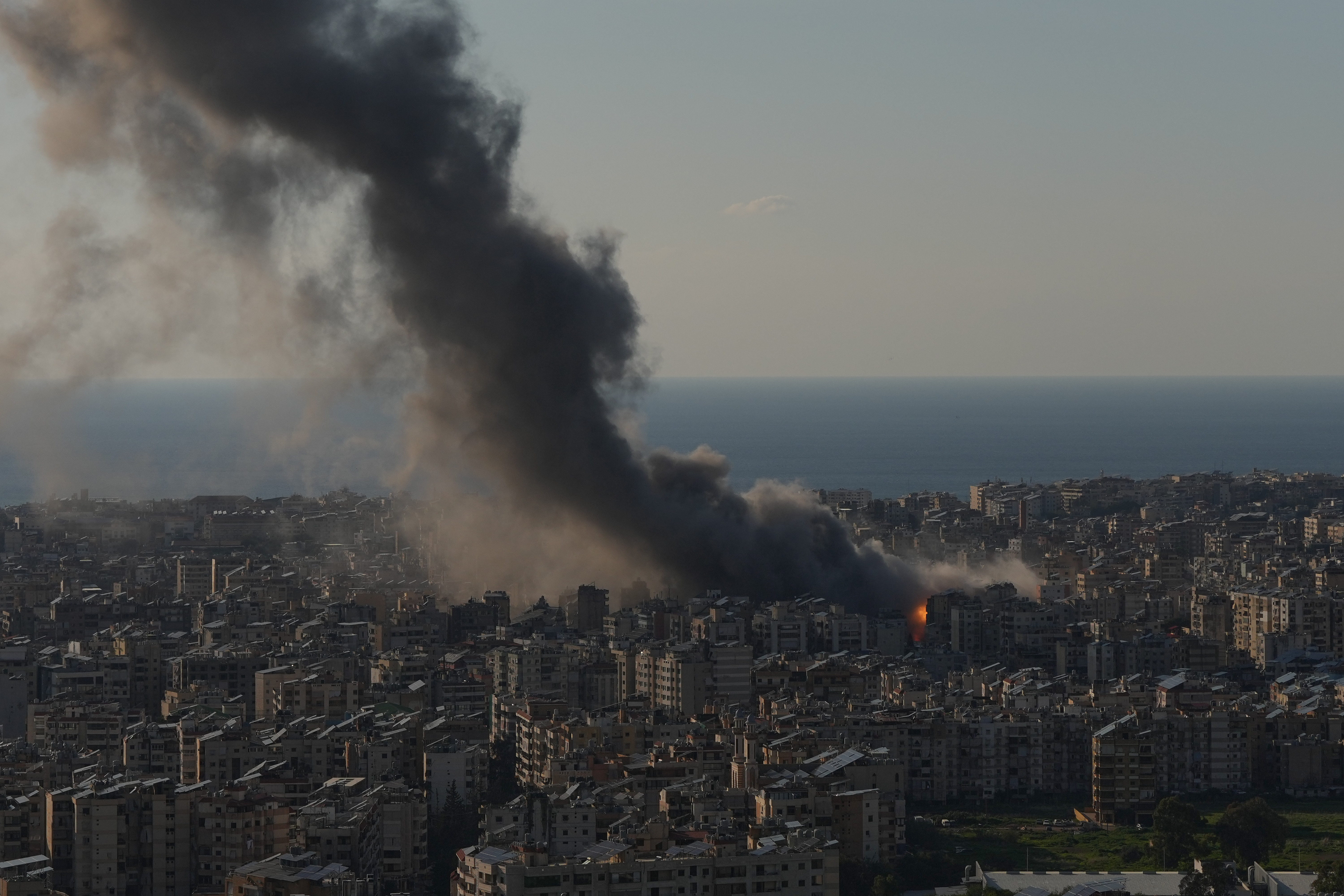
Image: Smoke billowing from Beirut following Israeli retaliatory strikes amid drone attacks. Source: OPB.
Global Implications and Market Reactions
The closure of the Strait of Hormuz isn't just a military maneuver—it's an economic weapon. Qatar has suspended natural gas shipments, exacerbating Europe's energy crisis. Stock markets plummeted, with the Dow Jones dropping 5% on March 2. Cryptocurrencies like Bitcoin fell 10%, while gold hit historic highs as a safe haven. Analysts warn of a "shockwave" derailing global recovery, with inflation risks soaring. China's oil supply, 20% reliant on the strait, faces disruption, potentially straining U.S.-China relations further.
From X: OddsOfTomorrow highlights Kalshi traders betting 67.5% against a prolonged closure but notes $526k in volume signaling real fears. Another post from GlobalFocus News states, "Iran has officially declared the Strait of Hormuz CLOSED. Oil prices are skyrocketing." These insights reflect the uncertainty gripping markets.
Widening Conflict: Involvement of Allies and Proxies
The war is spilling over borders. Israel attacked Lebanon in response to Hezbollah strikes, while Iran targets Gulf states hosting U.S. bases. Kuwait mistakenly downed U.S. jets amid the chaos, highlighting the fog of war. Balochistan's republic has appealed to Gulf leaders for support against Iran, proposing alliances with Kurdistan and Al-Ahwaz to counter Tehran's influence.
Drone footage from X shows airstrikes on IRGC brigades in western Iran, with casualties mounting. President Trump vows the campaign will last "as long as it takes," potentially weeks or months. Critics, including calls for his impeachment (as discussed in our prior article), argue the strikes are unconstitutional. Yet, Trump claims they prevent a greater threat.
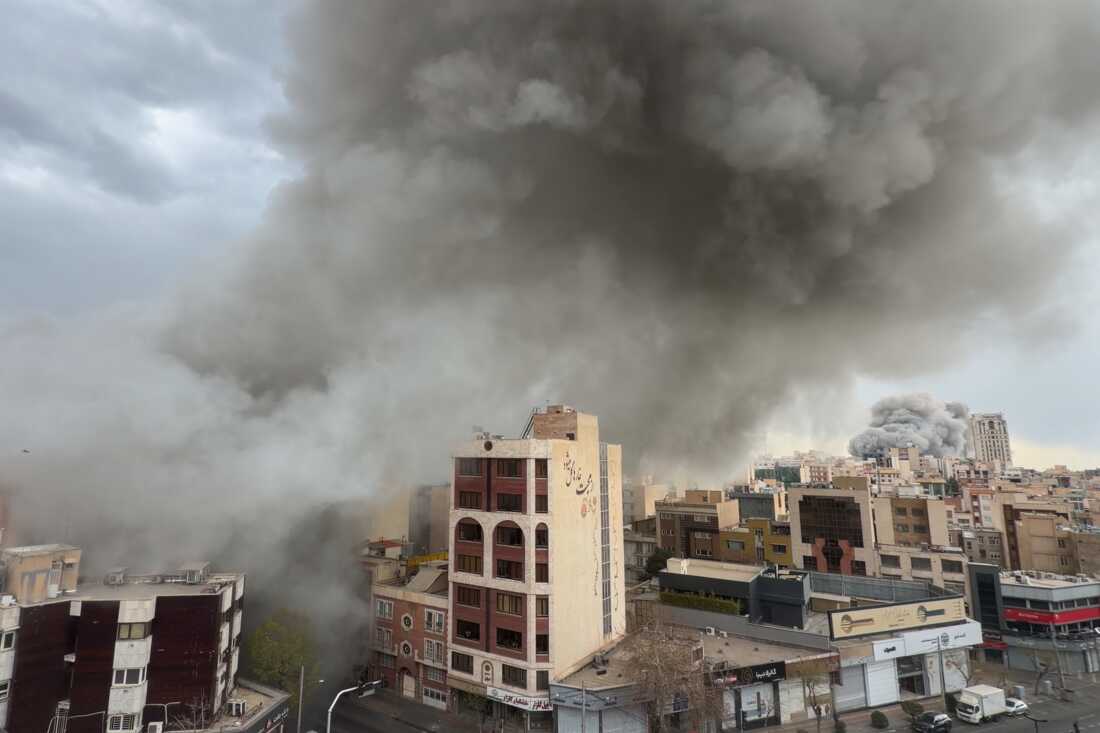
Image: Aftermath of U.S.-Israeli airstrikes in Tehran, with smoke rising from targeted sites. Source: NPR.
Humanitarian and Strategic Concerns
Civilian casualties are rising, with reports of over 1,000 dead in Iran alone. Power outages in Tehran and disrupted communications hamper relief efforts. The IRGC's threats extend to shipping, with warnings that "no ship is allowed to pass." While U.S. forces have destroyed Iranian vessels, enforcing a blockade remains challenging.
X users like Captain Singh report, "Iran declares Strait of Hormuz closed, warns it will attack ships attempting passage." Videos of militarized islands around the strait show Iran's preparations, including new drones for interception.
Path to Resolution?
As the war rages, diplomatic channels flicker. Trump hints at renewed nuclear talks, but Iran's hardline stance—bolstered by proxy attacks—complicates matters. The UN Security Council is divided, with China and Russia condemning U.S. actions. For now, the strait remains a flashpoint, with drone swarms and missile threats defining the battlefield.
This conflict, rooted in decades of animosity, could reshape the Middle East. Stay tuned for updates as events unfold. Word count: 1520.
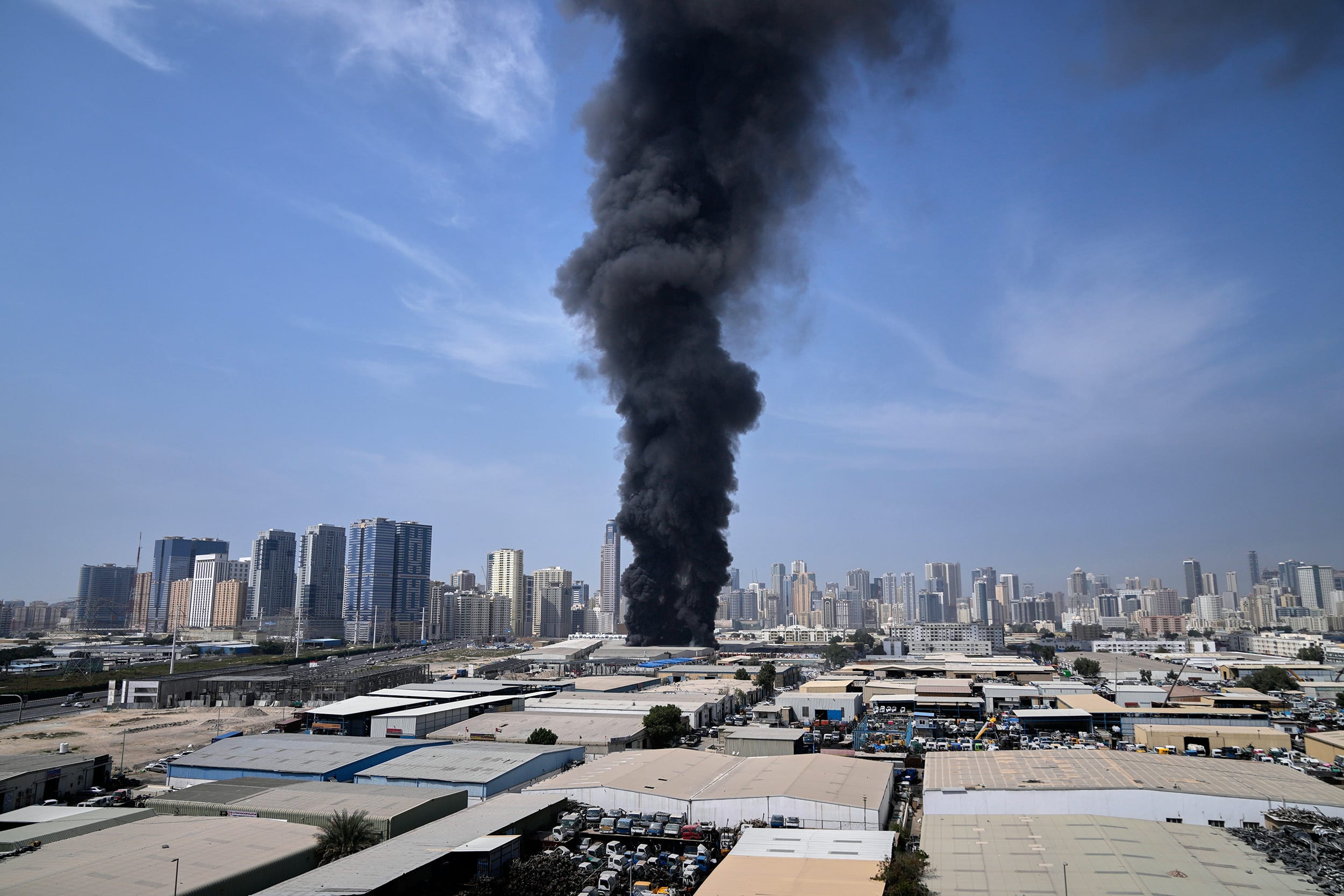
Image: Massive smoke plume from a drone attack in Dubai, illustrating the war's reach. Source: NBC News.